A well-designed deck can completely transform the way homeowners enjoy their outdoor space. Whether used for family gatherings, weekend barbecues, entertaining guests, or simply relaxing after a long day, a deck serves as an extension of the home and creates a seamless connection between indoor comfort and outdoor living. As outdoor lifestyles continue to gain popularity, more homeowners are recognising the value of investing in a functional and attractive deck that enhances both everyday living and property appeal.
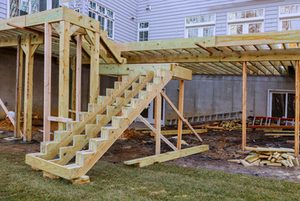
However, building the perfect deck involves much more than choosing a few boards and arranging outdoor furniture. A successful project requires thoughtful planning, careful design, quality materials, and proper construction techniques. From determining the ideal layout to selecting durable materials and incorporating important features, every decision contributes to the final result. Understanding Deck Builders Lexington KY process can help homeowners create an outdoor living space that is beautiful, practical, and built to last for many years.
Why Building a Deck Is a Smart Investment
One of the biggest reasons homeowners choose to build a deck is the increased usability it brings to their property. Instead of leaving outdoor areas underutilised, a deck converts available space into a functional extension of the home. This additional living area creates opportunities for outdoor dining, entertaining, recreation, and relaxation.
A professionally designed deck can also improve the property’s visual appeal. Well-constructed decks often become focal points that enhance landscaping, complement architectural features, and create inviting outdoor environments. Beyond aesthetics, decks may also contribute to increased property value by adding desirable features that many buyers appreciate.
In addition to financial benefits, decks provide lifestyle advantages. Homeowners gain a dedicated space where they can enjoy fresh air, spend time with family and friends, and make better use of their outdoor surroundings throughout much of the year.
Start With a Clear Purpose
The most successful deck designs begin with a clear understanding of how the space will be used. Before selecting materials or finalising layouts, homeowners should consider the primary purpose of the deck.
Some people envision a quiet retreat where they can read, relax, and enjoy their morning coffee. Others prioritise entertaining and require a larger space capable of accommodating outdoor dining sets, cooking stations, and multiple seating areas. Families with children may need areas for recreation and activities, while some homeowners seek a multifunctional design that supports several purposes simultaneously.
Defining the deck’s intended use early in the planning process helps guide every other design decision. Dimensions, layout, furniture placement, lighting, railings, and access points will all depend on how the space is expected to function on a daily basis.
Evaluate the Available Space
Every property presents unique opportunities and challenges. Taking time to evaluate the available outdoor space is a critical step toward creating a deck that complements the existing environment.
Factors such as yard size, landscape features, property boundaries, slopes, sunlight exposure, and nearby structures should all be considered during the planning phase. A deck that works well in one setting may not be ideal in another.
Homeowners should also think about how people will move between indoor and outdoor spaces. Easy access from the kitchen, living room, or dining area often improves functionality and convenience. Thoughtful positioning can also maximise views while preserving privacy and comfort.
Careful site evaluation helps ensure the finished deck feels like a natural extension of the home rather than an afterthought.
Choosing the Right Deck Size
When designing a deck, size matters. A deck that is too small may feel cramped and limit activities, while an oversized structure can overwhelm the property and create unnecessary costs.
Determining the proper size involves balancing available space with intended usage. Homeowners should account for furniture dimensions, walking paths, and future needs before finalising measurements.
Consider these important sizing factors:
- The number of people who will regularly use the deck.
- Planned furniture and outdoor features.
- Available yard space and property layout.
- Potential future additions such as outdoor kitchens or fire features.
- Budget constraints and maintenance considerations.
Creating a realistic plan helps avoid costly modifications and ensures the deck remains comfortable and functional throughout its lifespan.
Selecting the Best Materials
Material selection plays a major role in both appearance and durability. Modern deck construction offers numerous options, each with unique benefits and considerations.
Traditional wood remains a popular choice because of its natural beauty and classic appearance. Many homeowners appreciate the warmth and authenticity that wood provides. However, wood generally requires regular maintenance, including staining, sealing, and periodic repairs, to maintain its appearance and performance.
Composite decking has become increasingly popular due to its durability and lower maintenance requirements. These materials are engineered to resist moisture, fading, insect damage, and warping. Although the initial investment may be higher, many homeowners appreciate the long-term convenience and reduced upkeep.
The best material choice ultimately depends on budget, aesthetic preferences, maintenance expectations, and long-term goals.
Designing Functional Deck Layouts
A deck should be more than a flat platform attached to a house. Thoughtful layout design creates distinct zones that improve functionality and enhance the overall user experience.
For larger decks, dividing the space into designated activity areas often produces better results. Separate zones can support dining, lounging, cooking, and entertainment without creating a cluttered environment.
Some homeowners choose multi-level deck designs to define spaces naturally and add visual interest. These designs can be particularly effective when accommodating sloped terrain or connecting different areas of the property.
A well-planned layout encourages comfortable movement throughout the deck while ensuring every section serves a meaningful purpose.
Important Structural Considerations
While aesthetics are important, structural integrity remains the foundation of every successful deck project. Proper engineering and construction techniques ensure the deck remains safe, stable, and durable over time.
The supporting framework must be designed to handle expected loads, weather conditions, and daily use. Footings, beams, posts, and joists all play crucial roles in maintaining structural stability.
Failure to prioritise structural quality can lead to costly repairs, safety concerns, and reduced lifespan. Homeowners planning a deck project should understand that proper construction practices are just as important as attractive finishes and design elements.
Investing in quality construction from the beginning often reduces future maintenance expenses and improves long-term performance.
Incorporating Comfortable Seating Areas
Seating arrangements significantly influence how people interact with outdoor spaces. A well-designed deck should provide comfortable areas that encourage relaxation and conversation.
Furniture selection should align with the deck’s intended purpose. Dining areas require adequate space for tables and chairs, while relaxation zones may benefit from lounge seating, benches, or sectional furniture.
Built-in seating solutions can maximise available space while contributing to a cohesive design. These features often create cleaner aesthetics and reduce the need for additional furniture.
Comfortable seating transforms a deck from a simple structure into a true outdoor living environment.
Lighting for Beauty and Safety
Lighting is one of the most overlooked aspects of deck design, yet it can dramatically impact both functionality and atmosphere.
During evening hours, proper lighting improves visibility and reduces potential safety hazards associated with stairs, pathways, and elevation changes. At the same time, strategic lighting enhances ambiance and extends the usability of the deck well beyond daylight hours.
Popular deck lighting options include:
- Stair lighting for improved safety.
- Post cap lights that provide subtle illumination.
- Accent lighting to highlight architectural features.
- String lights for a warm and inviting atmosphere.
- Integrated lighting systems for a modern, streamlined appearance.
Combining multiple lighting layers often creates the most effective and visually appealing results.
Adding Shade and Weather Protection
Outdoor comfort can be significantly improved through thoughtful shade solutions. Direct sunlight and unexpected weather conditions may limit how often a deck is used if adequate protection is not incorporated into the design.
Pergolas, covered sections, retractable awnings, and shade structures can provide relief from intense sunlight while adding architectural character. These elements help create a more comfortable environment and encourage year-round enjoyment of the space.
Weather protection features may also help preserve deck materials and outdoor furnishings by reducing direct exposure to environmental elements.
By planning for changing weather conditions, homeowners can maximise the functionality of their outdoor living area.
Enhancing the Deck With Special Features
Today’s decks frequently include features that elevate them beyond traditional designs. Homeowners often customise their outdoor spaces to reflect personal lifestyles and entertainment preferences.
Popular additions include outdoor kitchens, built-in planters, fire features, privacy screens, storage compartments, and entertainment systems. These enhancements increase versatility while creating a more personalised environment.
When considering upgrades, it is important to focus on features that align with actual usage habits. The most successful deck designs prioritise functionality over unnecessary complexity.
Thoughtful customisation can turn an ordinary deck into a highly desirable destination for family and guests.
Maintenance Tips for Long-Term Performance
Even the highest-quality deck requires regular maintenance to preserve its appearance and structural integrity. Establishing a maintenance routine helps protect the investment and extend the life of the structure.
Routine cleaning removes dirt, debris, and moisture that may contribute to deterioration over time. Periodic inspections can identify loose fasteners, damaged boards, or other issues before they become major problems.
Homeowners should also follow manufacturer recommendations for staining, sealing, or caring for specific materials. Consistent maintenance not only improves longevity but also helps maintain the deck’s visual appeal year after year.
Preventive care is often far less expensive than major repairs or premature replacement.
Conclusion
Designing and constructing the perfect outdoor living space requires a balance of creativity, planning, and quality craftsmanship. From determining the deck’s purpose and selecting suitable materials to creating functional layouts and incorporating comfort-enhancing features, every decision plays a role in the project’s overall success.
A thoughtfully designed deck can serve as an outdoor extension of the home, providing a welcoming environment for relaxation, entertainment, and everyday enjoyment. While the construction process requires careful attention to detail, the rewards can be substantial. Homeowners who invest time into planning and execution often gain a beautiful, functional outdoor space that enhances both their lifestyle and their property’s appeal.
Whether the goal is creating a tranquil retreat, a vibrant entertainment hub, or a versatile family gathering space, a well-built deck offers endless opportunities to enjoy outdoor living while adding lasting value to the home.